Image 1 by 4
New equipment
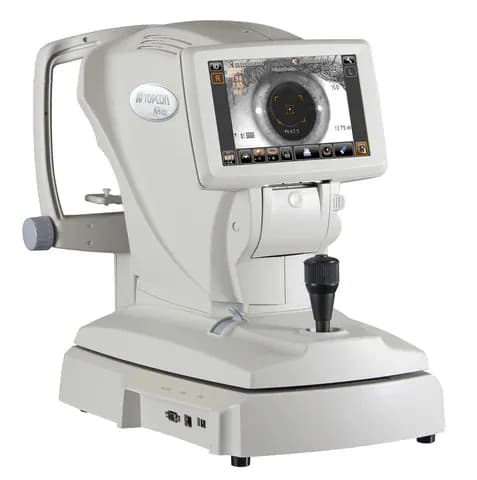
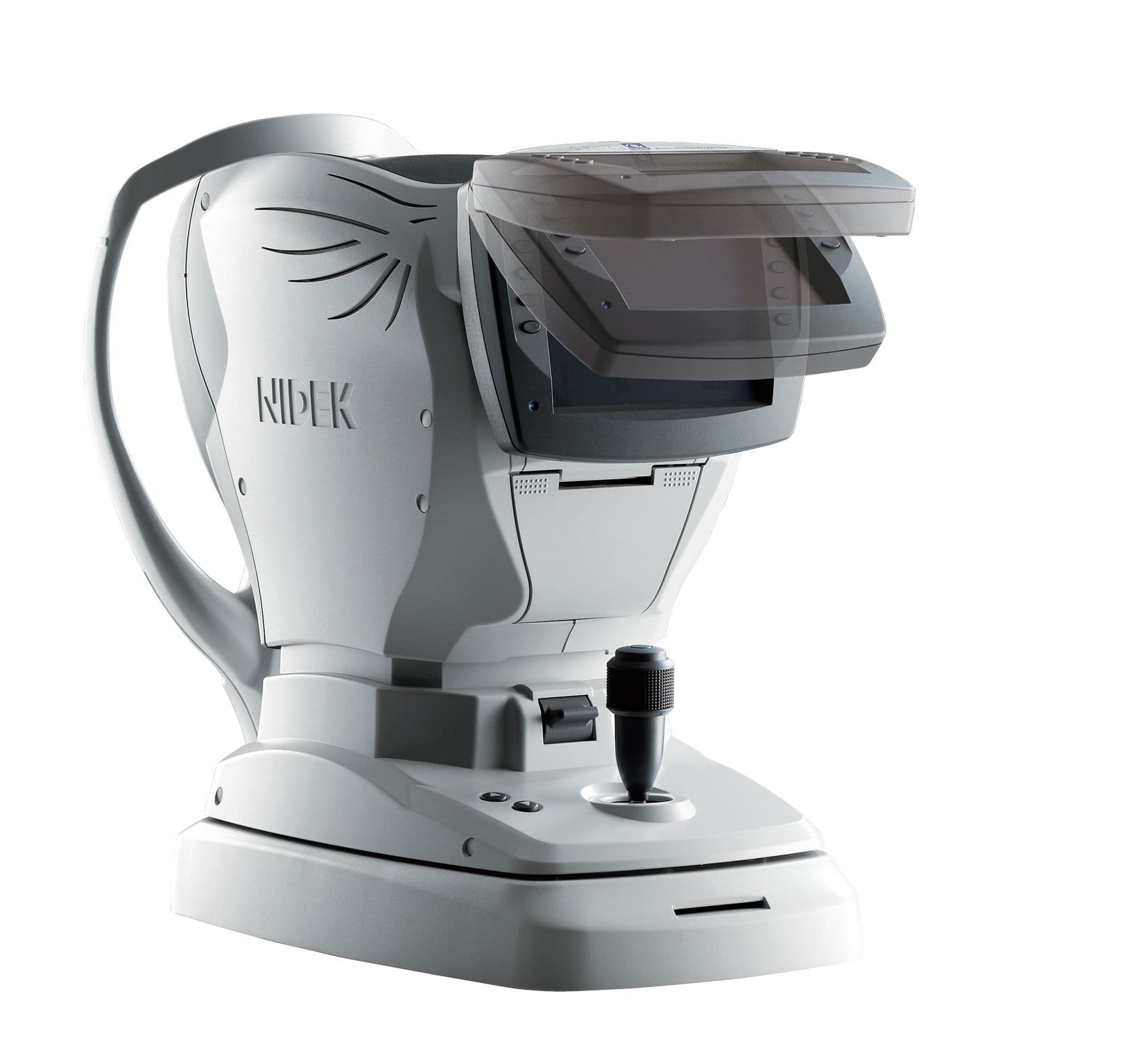
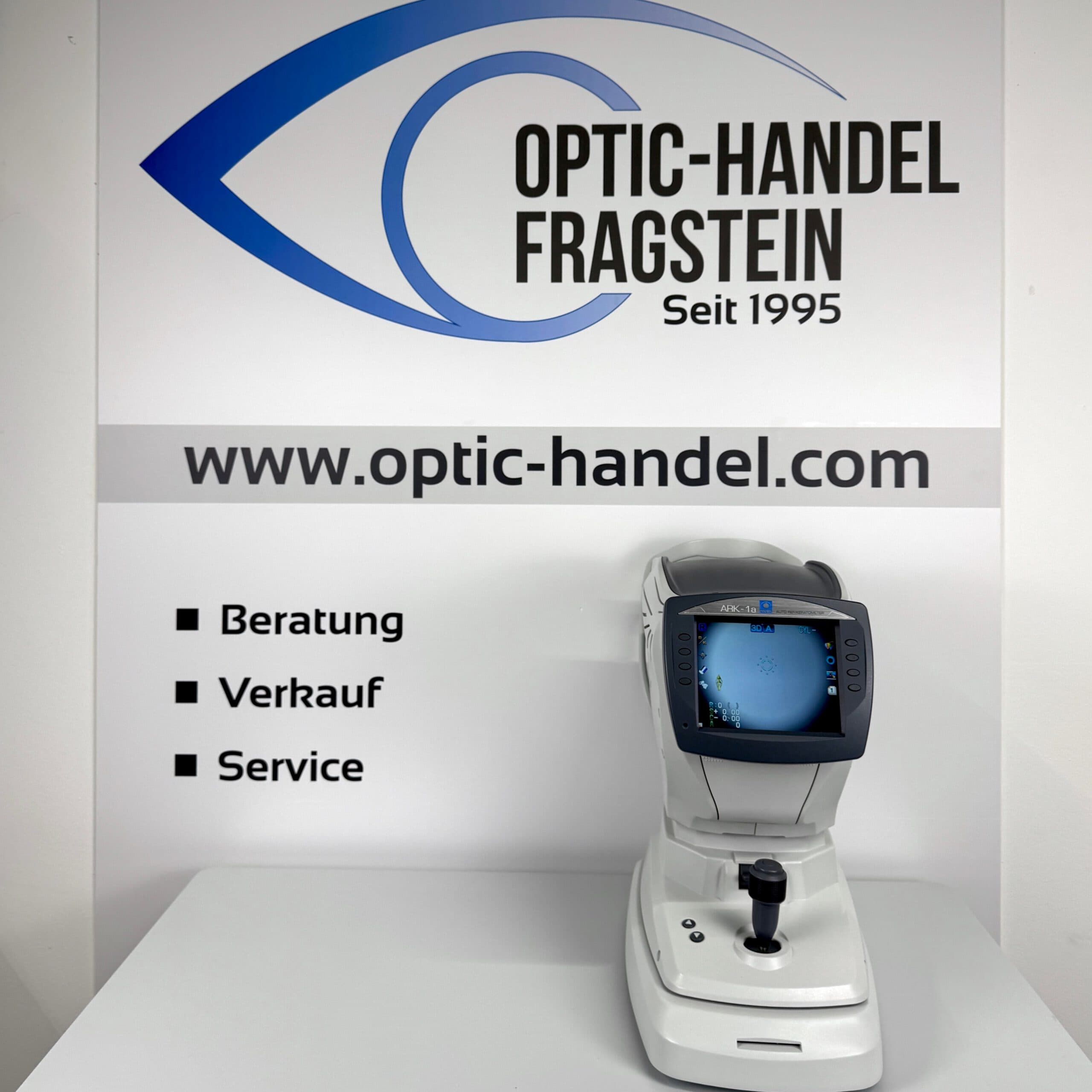
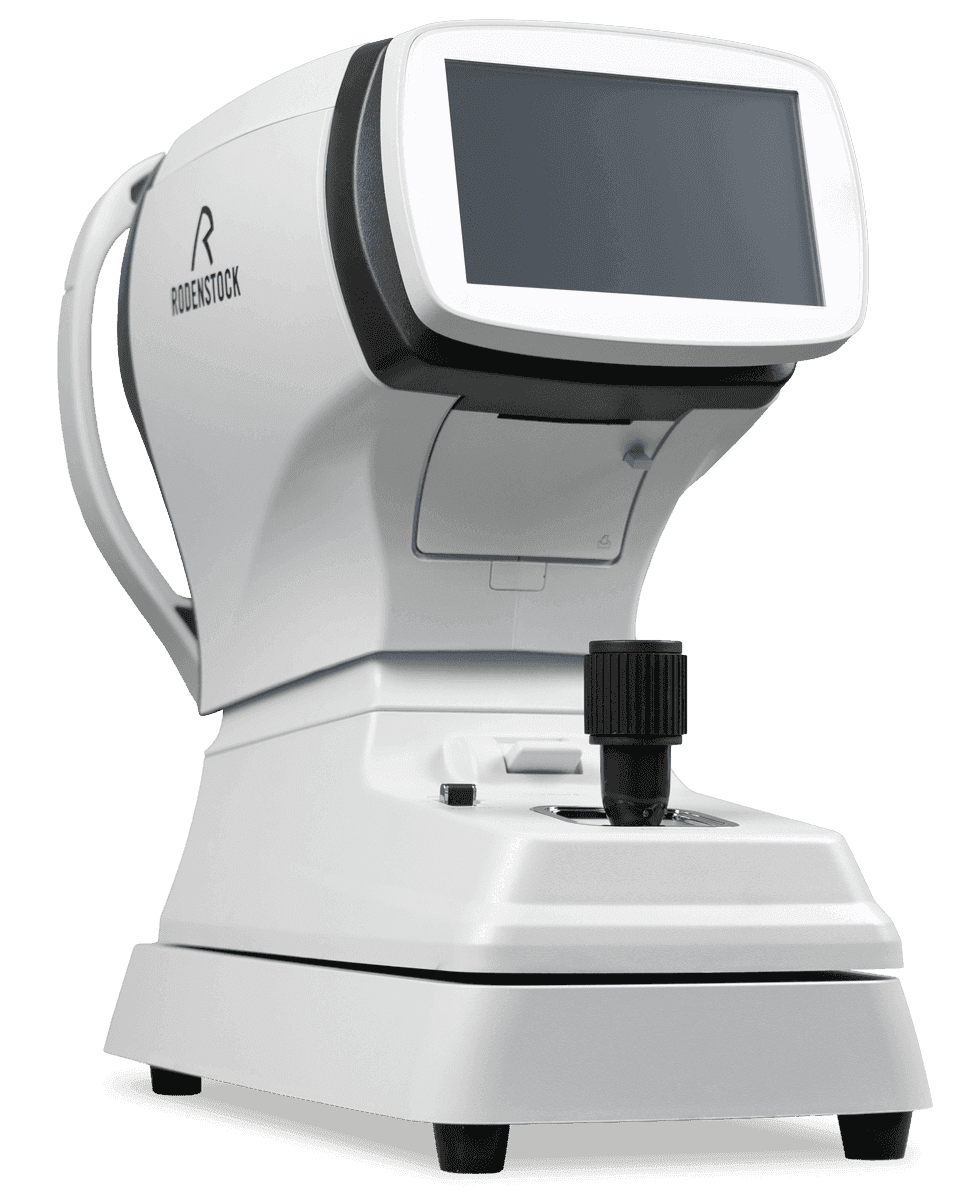
Autoref keratometer · NidekAutorefracto-keratometer Nidek ARK-1s (subjektiv)
The ARK-1s from OCULUS/NIDEK impresses with its high reproducibility of measurement values and ease of use.
The AR-1s and ARK-1s are autorefractometers capable of determining visual acuity using a spherical fine-tuning adjustment based on the objective refraction just measured. Changes in visual acuity can thus be easily detected. Naturally, uncorrected visual acuity can also be determined. Furthermore, the AR-1s and ARK-1s offer additional advantages:
Two measurement areas to distinguish between day and night refraction
Visual acuity test (distance and near) up to 1.25 and spherical fine-tuning
Contrast and visual acuity tests under glare conditions
Objective measurement of the range of accommodation
Visualisation of opacities using retro-illumination
All autorefractometers and autorefracto-keratometers can be connected via the ‘ NIDEK ’ data network to the RT-2100, RT-3100, RT-5100 and RT-6100 automatic phoropters. Connection to standard practice and optician software is possible via the serial interface.
The ARK-1s from OCULUS/NIDEK impresses with its high reproducibility of measurement values and ease of use
Two measurement areas to distinguish between day and night refraction
The measurements for the 3.5 mm and 6 mm areas are determined and compared simultaneously. They thus provide insight into differences in refraction under photopic and mesopic conditions.
Visual acuity test (distance and near) up to 1.25 and spherical fine-tuning
For rapid visual acuity testing to monitor progress and to visualise corrective glasses for distance and near vision.
Objective measurement of the range of accommodation
Whilst the test subject looks into the device, a fixation target moves towards them from a distance. During the accommodation process, refraction and pupil contraction are continuously measured and subsequently plotted graphically.
Visualisation of opacities using retro-illumination
To complement the refraction test, images of the optical media can be taken under retro-illumination. These images provide information about opacities that may affect visual acuity.
Precise measurement results, even in cases of cataracts
The autorefractometers from OCULUS/NIDEK use a superluminescent diode (SLD) rather than a conventional LED. The SLD’s retro-reflection from the retina is significantly sharper and clearer, even when the optical media are cloudy. The highly sensitive CCD camera further ensures high image quality. This means that even eyes affected by cataracts can be measured with precision.
Image and text sources: OCULUS Optikgeräte GmbH
The AR-1s and ARK-1s are autorefractometers capable of determining visual acuity using a spherical fine-tuning adjustment based on the objective refraction just measured. Changes in visual acuity can thus be easily detected. Naturally, uncorrected visual acuity can also be determined. Furthermore, the AR-1s and ARK-1s offer additional advantages:
Two measurement areas to distinguish between day and night refraction
Visual acuity test (distance and near) up to 1.25 and spherical fine-tuning
Contrast and visual acuity tests under glare conditions
Objective measurement of the range of accommodation
Visualisation of opacities using retro-illumination
All autorefractometers and autorefracto-keratometers can be connected via the ‘ NIDEK ’ data network to the RT-2100, RT-3100, RT-5100 and RT-6100 automatic phoropters. Connection to standard practice and optician software is possible via the serial interface.
The ARK-1s from OCULUS/NIDEK impresses with its high reproducibility of measurement values and ease of use
Two measurement areas to distinguish between day and night refraction
The measurements for the 3.5 mm and 6 mm areas are determined and compared simultaneously. They thus provide insight into differences in refraction under photopic and mesopic conditions.
Visual acuity test (distance and near) up to 1.25 and spherical fine-tuning
For rapid visual acuity testing to monitor progress and to visualise corrective glasses for distance and near vision.
Objective measurement of the range of accommodation
Whilst the test subject looks into the device, a fixation target moves towards them from a distance. During the accommodation process, refraction and pupil contraction are continuously measured and subsequently plotted graphically.
Visualisation of opacities using retro-illumination
To complement the refraction test, images of the optical media can be taken under retro-illumination. These images provide information about opacities that may affect visual acuity.
Precise measurement results, even in cases of cataracts
The autorefractometers from OCULUS/NIDEK use a superluminescent diode (SLD) rather than a conventional LED. The SLD’s retro-reflection from the retina is significantly sharper and clearer, even when the optical media are cloudy. The highly sensitive CCD camera further ensures high image quality. This means that even eyes affected by cataracts can be measured with precision.
Image and text sources: OCULUS Optikgeräte GmbH
Personalised adviceOur own service
Product details from the existing range. Subject to change and prior sale.
YOU MAY ALSO BE INTERESTED IN